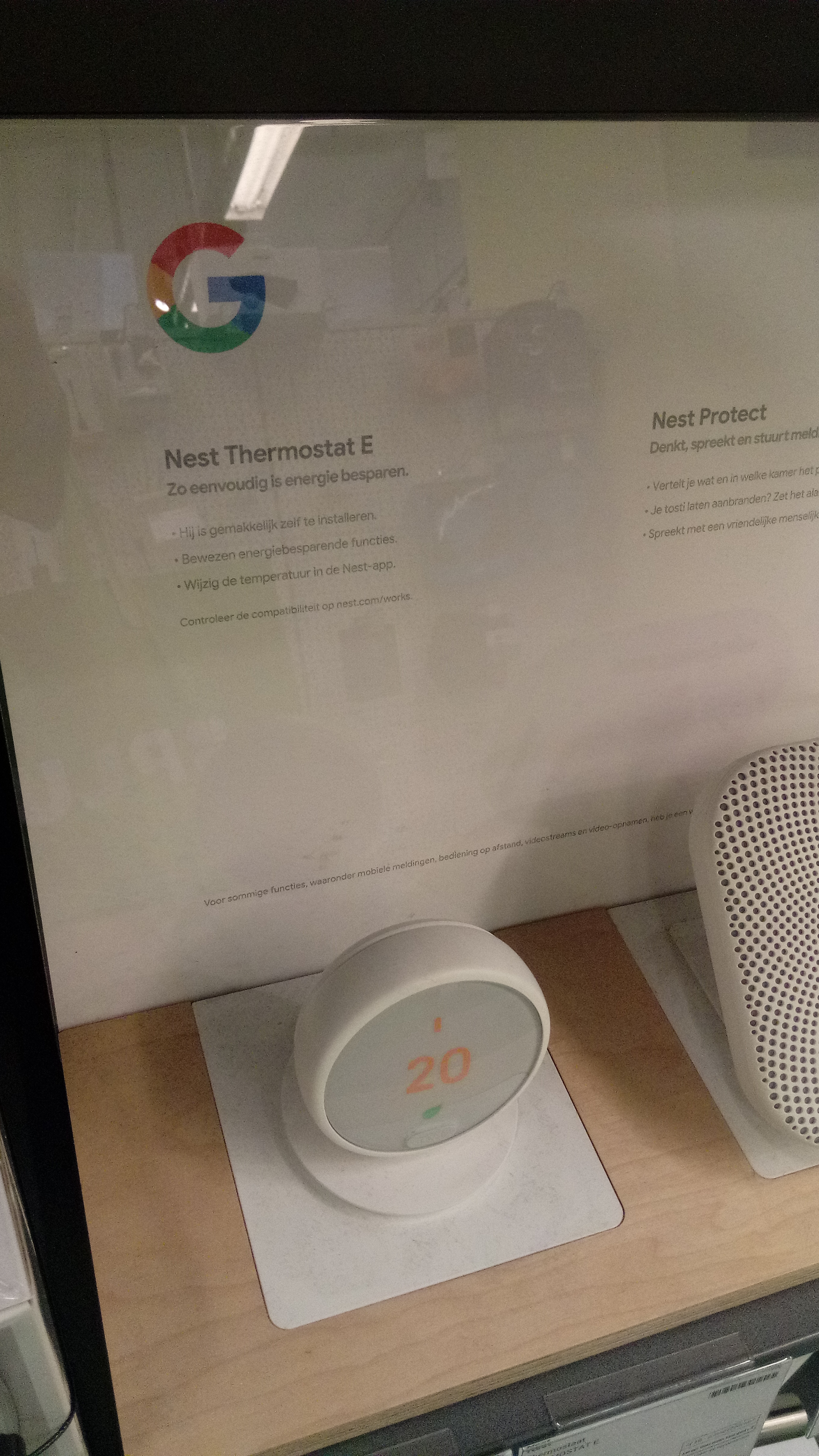
The core idea behind a smart thermostat is the setback: lowering the indoor temperature when the house is empty or everyone is asleep, then returning it to a comfortable level in time. Natural Resources Canada describes scheduled temperature setbacks as a recognised way to reduce home heating use, and publishes general guidance on programmable thermostats and home energy at the NRCan energy efficiency pages.
What "learning" adds on top of scheduling
A plain programmable thermostat follows a fixed schedule. A learning model observes how the household adjusts the temperature over time and proposes a schedule from that pattern. Both rely on the same underlying setback principle; the learning layer mainly reduces how much you set up by hand. If your routine is irregular, a manual schedule with a few clearly defined periods often performs just as predictably.
Matching the thermostat to the heating system
Not every smart thermostat fits every system. The compatibility differences below are the ones that matter most before buying.
| System | Consideration |
|---|---|
| Forced-air furnace | Widely supported; most thermostats target this wiring. |
| Electric baseboard | Needs a line-voltage compatible model; many low-voltage thermostats do not fit. |
| Heat pump | Look for explicit heat-pump and auxiliary-heat support so staging works correctly. |
| Boiler / radiant | Slower to respond; aggressive short setbacks may not suit it. |
The C-wire question
Many smart thermostats need a continuous source of power, supplied by a common wire (the C-wire). Older installations sometimes lack one. Manufacturers address this with included adapters or power kits, but the situation is worth checking before purchase rather than after.
A simple, dependable schedule
Before reaching for learning features, many households are well served by four clear periods. The structure below is a starting point to adjust to your own comfort.
Sensors and zoning
Some systems support remote temperature sensors so the reading reflects an occupied room rather than a hallway. In larger homes this addresses the common complaint of one cold room. True zoning, where areas are heated independently, depends on the heating system itself and is a larger project than swapping a thermostat.